

Why is my hot tub leaking? The most common leak sources
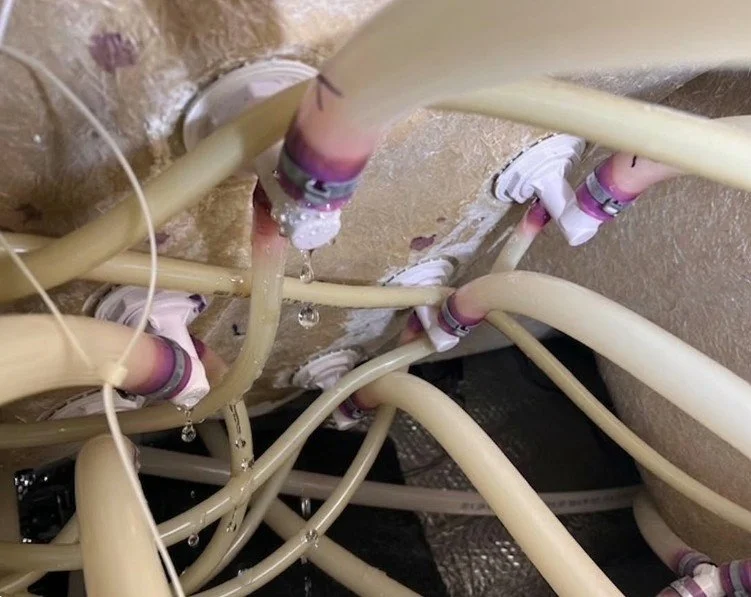
Finding water around your hot tub is never a good sign but the good news is that most hot tub leaks come from a handful of common places. Some are quick fixes, others need professional repair, but catching them early can save you serious money.
Here is how to work out where your hot tub is leaking.
Loose or cracked pump unions
The pump is one of the most common leak points because it handles constant water flow, heat, and vibration. Leaks often occur at the pump unions, where the pump connects to the plumbing, or from the pump seal itself as it wears out over time.
Signs that you could have this leak include water pooling under the pump, dripping while the tub is running, or mineral buildup around fittings.
Cracked or broken plumbing lines
Hot tubs use a mix of rigid PVC pipes and flexible hoses. Over time, glue joints can fail, hoses can crack, or clamps can loosen, especially after freezing temperatures or years of heat expansion and contraction.
If you notice a slow leak inside the cabinet or water that appears only when certain pumps or jets are on, this could be a sign that a leak is from the plumbing lines.
Jet bodies and gasket leaks
Each jet passes through the hot tub shell and seals with a gasket. As these gaskets age, they can shrink or crack, allowing water to leak behind the shell.
If you notice water trailing down the inside wall of the cabinet or a leak that stops once the water level drops below the jets, this could be a sign that either there is a leak coming from the jet body or gasket.
Heater and heater manifold
The heater has multiple seals, unions, and gaskets that are exposed to high temperatures. These parts can loosen or wear out, and in some cases the heater tube itself can corrode due to the rising temperatures.
If there is water dripping near the heater assembly or leaks that show up quickly after the tub is turned on, this could be a sign that the heater or heater manifold is leaking.
Shell cracks
Shell cracks are a lot less common than the leaks mentioned above. However, they are a lot more serious. These leaks can be caused by freezing damage, improper support, or impact to the shell.
If you believe you have a shell crack, you may notice the water level consistently stops dropping at the same height or a visible crack in the acrylic surface.
When to call a professional
While some hot tub leaks are minor and easy to spot, others require professional tools and experience to repair safely. You should contact a qualified hot tub engineer if:
You can’t locate the leak source after inspecting pumps, plumbing, and jets
The leak is inside the foam insulation, making it difficult to access without cutting
Water is leaking from the pump motor or electrical components
The heater is leaking or showing signs of corrosion
The leak worsens quickly or causes the water level to drop rapidly
You’re unsure how to safely shut off power or disconnect plumbing
Professional hot tub engineers can pressure-test plumbing lines, safely access foamed-in components, and ensure repairs don’t create further damage or electrical risk. Calling for help early can often prevent a small leak from turning into a costly repair.
Minor hot tub shell cracks can sometimes be repaired at home if they’re small, shallow, and not structural. DIY fixes typically involve epoxy repair kits, marine-grade sealants, or fiberglass repair kits, which are designed to bond to acrylic and withstand water exposure. The area must be completely dry and clean before repair, and lightly sanding around the crack helps the material adhere properly. These repairs can slow or stop minor leaks, but they’re best viewed as a temporary or cosmetic solution. Larger cracks, recurring leaks, or cracks that continue to spread usually indicate structural damage and should be assessed by a professional, as improper repairs can worsen the problem or void warranties.
How to find where your hot tub is leaking
Finding where your hot tub is leaking usually starts with turning off the power and closely observing how the water level changes. Allow the water to drop naturally and when it stops, the leak is often located at that height, pointing to jets, fittings, or a shell issue. If the leak continues even with the tub off, inspect the cabinet interior for damp areas, drips, or water trails around pumps, heaters, and plumbing lines. Using a flashlight and checking for moisture after running specific pumps or jets can help pinpoint the exact source.
Once your leak has been identified or if you require a qualified engineer to locate it for you, please contact us via the Contact button at the top of our website or call 01604 312773. Callouts start from £110, which includes up to one hour of diagnostic repair time. If additional work or replacement parts are required, a clear quotation will be provided before any further repairs are carried out.